

Now Reading: Vibe Coding: Programming with AI Tools
-
01
Vibe Coding: Programming with AI Tools

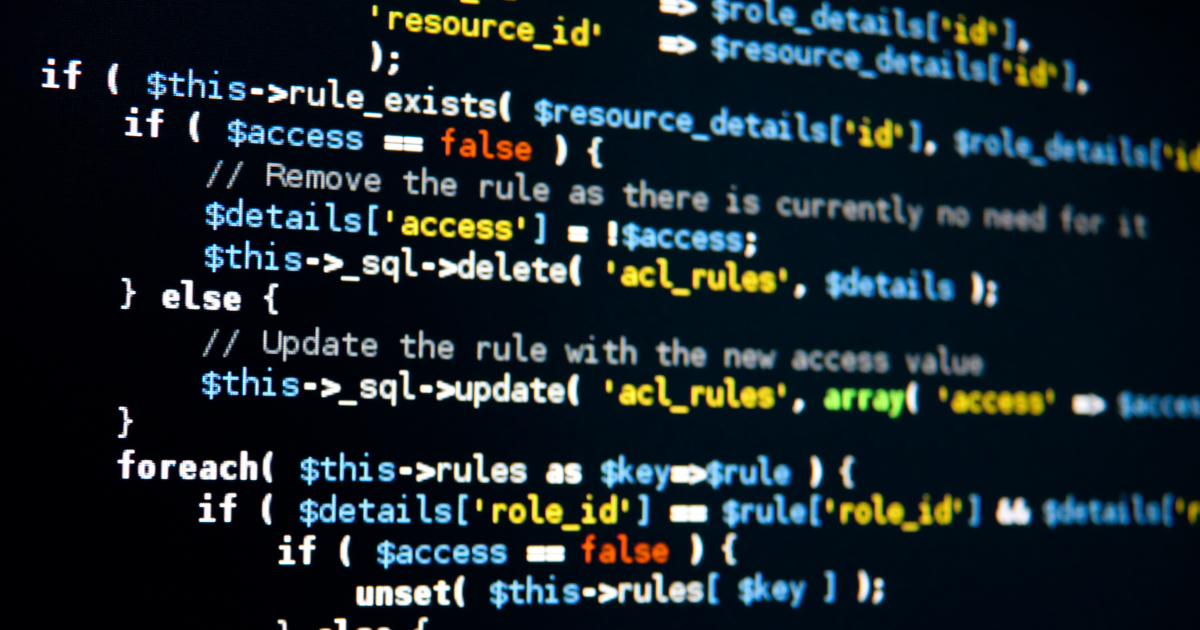
Vibe coding represents a transformative approach in the realm of programming that synergizes artificial intelligence with traditional coding methodologies. As the technological landscape evolves, this innovative technique aims to bridge the gap between human intuition and machine efficiency, marking a significant shift in how developers engage with code. Originating from the need to streamline coding processes, vibe coding incorporates a set of principles that prioritize user experience, emotional resonance, and contextual understanding in programming.
The core concept of vibe coding revolves around the integration of automated systems that adapt to the user’s emotional and cognitive states. By analyzing the developer’s inputs and responses, AI tools facilitate a more intuitive coding experience. This not only enhances productivity but also empowers developers to remain in a ‘creative zone,’ where they can ideate and innovate without the constraints typically associated with conventional programming paradigms.
In recent years, the uptake of vibe coding has gained traction among developers, driven by the increasing recognition of its potential to simplify complicated coding tasks. This evolving trend speaks to a broader movement within the tech community that seeks to remove barriers to entry for aspiring programmers. As a result, vibe coding not only enhances the accessibility of programming languages but also cultivates an environment where creativity and logical reasoning can coexist harmoniously.
By prioritizing an emotional connection to coding practices, vibe coding is redefining how developers interact with technology. Its embrace by practitioners across various fields underscores its significance in shaping the future landscape of software development. As we delve deeper into this topic, we will explore the implications that vibe coding holds for the industry and its potential to revolutionize programming methodologies.
Artificial Intelligence (AI) has made significant strides across various domains, and its influence on programming, specifically in vibe coding, is profound. At its core, AI refers to the simulation of human intelligence processes by machines, particularly computer systems. These processes include learning, reasoning, and self-correction, which are essential for cultivating an effective coding environment.
In the realm of vibe coding, AI tools are transforming traditional coding practices by automating repetitive tasks and providing intelligent assistance. This integration not only streamlines the coding process but also enhances productivity. For instance, AI-powered code completion tools can analyze patterns in coding projects and offer suggestions, thereby reducing manual coding efforts. This allows developers to focus on the more creative aspects of software development, such as designing innovative features and improving user experience.
Moreover, AI technologies can facilitate real-time debugging, identifying errors in code more quickly than human programmers might be able to achieve. By utilizing machine learning algorithms, vibe coding becomes more efficient, as these systems learn from past projects, adapting and improving over time. This adaptability empowers developers to enhance the overall quality and performance of their applications.
Furthermore, the collaboration between AI and vibe coding has potential implications for fostering creativity. With mundane tasks being handled by AI, developers find themselves with more mental space to brainstorm unique solutions and iterate on their ideas. This synergy between human ingenuity and AI efficiency not only reshapes programming methodologies but also engenders a new paradigm where the boundaries of creativity and technology expand significantly.
As the programming landscape continues to evolve, vibe coding emerges as a novel approach that incorporates artificial intelligence (AI) to enhance the coding experience. Several AI-driven tools and technologies facilitate this transition, enabling developers to achieve more with less effort through intuitive processes.
One of the primary tools that support vibe coding is GitHub Copilot, an AI-powered code completion tool that assists programmers in writing code faster. By analyzing massive datasets, it understands coding patterns and offers suggestions tailored to the context, reducing the time spent on syntax and logic.
Another significant platform is Replit, an interactive and collaborative coding environment that allows users to code in real-time. With built-in AI capabilities, Replit enhances vibe coding by enabling a feedback loop where developers can instantly see the effects of code changes, thus aligning well with the creative aspects of vibe coding.
DeepCode is yet another tool that offers AI-assisted code review. By automatically scanning and analyzing codebases, it identifies potential issues, suggests fixes, and helps developers follow best practices. This technology not only improves code reliability but also promotes a mental space conducive to vibe coding.
Additionally, platforms such as Codeium and Kite provide AI-powered autocomplete features that proactively suggest completions and relevant snippets based on the context of what developers are working on. These tools augment the programming experience by creating a more engaging environment that resonates with the vibe coding philosophy.
In the realm of cloud-based tools, Microsoft Visual Studio IntelliCode enables personalized code completions considering the coding habits of the team as well as the larger community. This feature aligns well with the tenets of vibe coding, fostering a collaborative and productive atmosphere.
Incorporating these tools and technologies allows programmers to embrace vibe coding, balancing efficiency with creativity, and fundamentally reshaping their approach to software development.
Examples of Vibe Coding in Action
Vibe coding, an innovative approach to programming enhanced by AI tools, is rapidly transforming development practices in various industries. Multiple organizations have embraced vibe coding, facilitating enhanced collaboration among teams and paving the way for a more streamlined production process. One remarkable example is a leading e-commerce company that adopted vibe coding during a site redesign. By utilizing AI-assisted development platforms, the team harnessed natural language processing capabilities to convert verbal project specifications into initial code prototypes, significantly reducing development time by over 30%.
Another compelling illustration comes from a software startup that specializes in custom applications. Faced with tight deadlines and a limited workforce, the team implemented a vibe coding strategy, integrating AI tools that allowed for real-time code suggestions and optimizations. This synergy between human and machine not only accelerated their development cycles but also enhanced the quality of their output. The application developed during this period received positive feedback for its user-friendly interface and efficient performance, proving that vibe coding can yield tangible benefits.
Furthermore, educational institutions have begun incorporating vibe coding into their curricula. In one inspiring case, a university introduced an AI-driven coding platform, enabling students to engage in hands-on projects where they could observe immediate results from their code. This real-time feedback loop encouraged collaborative learning and experimentation, crucial components of vibe coding. As students interacted with the tool, they developed a deeper understanding of programming concepts and improved their problem-solving skills, demonstrating how vibe coding can enhance the educational experience.
These examples illustrate how various organizations and developers have successfully integrated vibe coding practices into their workflows, reaping notable outcomes and benefits. As the practice becomes more refined, it is likely that many more use cases will emerge, further revolutionizing the programming landscape.
Changing the Landscape for Programmers
The advent of vibe coding, propelled by advancements in artificial intelligence, is significantly altering the way programmers engage in software development. This new methodology complements traditional coding practices by integrating AI tools that enhance creativity and problem-solving capabilities. Consequently, programmers are transitioning from mere code writers to innovative architects who focus on higher-level conceptual designs, delegating repetitive tasks to AI.
One of the most notable changes is the shift in coding practices. With vibe coding, programmers can utilize AI-driven systems that offer suggestions, code snippets, and even complete sections of code based on the developer’s objectives. This not only accelerates the coding process but also reduces the likelihood of syntax errors, allowing programmers to maintain focus on logic and functionality rather than getting bogged down by minute details. As a result, there is a growing emphasis on understanding algorithms and data structures, aligning with the broader goal of optimizing software solutions.
Moreover, vibe coding fosters improved collaboration among teams. Traditional code reviews can often become lengthy and tedious; however, with AI tools, real-time collaboration is facilitated. Programmers can work concurrently, with AI algorithms analyzing contributions and flagging issues on-the-spot, thereby promoting a more dynamic and fluid team dynamic. This collaborative environment encourages knowledge sharing and learning, elevating the overall skill set within the team.
Productivity levels also witness remarkable improvements. Programmers leveraging vibe coding methodologies can accomplish tasks at a much faster pace, thanks to AI’s efficiency in managing repetitive tasks. As programmers allocate more time to strategic planning and innovative thinking, organizations stand to gain a competitive edge in the rapidly evolving tech landscape. In this way, vibe coding is not merely a trend but a transformation that reshapes programming roles in alignment with advancing technological capabilities.
The Benefits of Embracing Vibe Coding
In the realm of programming, adopting vibe coding serves as a transformative approach that significantly enhances the development process. One of the foremost advantages of this innovative technique is its capacity for improved collaboration among team members. By fostering an environment where programmers can seamlessly share insights and solutions, vibe coding promotes a collective mindset that drives projects forward. This collaboration tends to yield more comprehensive and versatile software solutions.
Furthermore, vibe coding is intrinsically linked to increased efficiency in the programming workflow. Traditional coding methodologies often involve intricate and time-consuming processes. In contrast, vibe coding streamlines these steps, allowing developers to navigate coding challenges with greater ease and speed. By using AI tools, programmers can automate routine tasks and focus on more complex coding aspects, thereby reducing the time taken to complete projects.
Additionally, vibe coding inherently encourages greater creativity in software development. It empowers programmers to brainstorm and experiment with diverse solutions without the constraints typically associated with conventional coding methods. This freedom often leads to the development of innovative applications that may not have been conceived had traditional coding practices been employed.
Finally, embracing vibe coding allows developers to concentrate on higher-level aspects of software design and architecture. Instead of becoming bogged down by mundane details, programmers can allocate their cognitive resources to strategic planning, user experience enhancement, and functionality improvements. Overall, the integration of vibe coding not only streamlines development but also catalyzes a significant paradigm shift in how software is conceived, built, and iterated upon.
Challenges and Considerations with Vibe Coding
As vibe coding garners increased popularity within the realm of programming, several challenges and considerations emerge that must be addressed to ensure its effective implementation. One prominent concern is the dependency on AI tools. While AI-driven coding aides can significantly enhance productivity and streamline workflows, excessive reliance may lead to a dilution of fundamental programming skills. Developers might find themselves increasingly detached from the underlying principles of coding, potentially hampering their ability to troubleshoot or innovate independently.
Moreover, maintaining code quality poses another critical challenge. Vibe coding involves a fluid integration of AI suggestions, which may inadvertently introduce inefficiencies or bugs if not meticulously reviewed. It is essential that developers exercise caution and perform thorough validation of AI-generated code to uphold the integrity and reliability of software products. Neglecting this step could lead to vulnerabilities, seriously impacting system performance.
Furthermore, the importance of human oversight cannot be emphasized enough within the context of vibe coding. While AI tools can provide recommendations and automate tasks, they lack the nuanced understanding of context that human developers possess. This oversight is crucial, especially in scenarios where ethical considerations arise, such as bias in machine learning algorithms or the potential misuse of technologies. Therefore, a balanced approach, where AI complements human intellect rather than substituting it, is vital.
In conclusion, while vibe coding presents innovative opportunities to enhance programming workflows, it also comes with inherent challenges that developers must navigate. Striking the right balance between utilizing AI tools and maintaining human expertise will be essential for realizing the full potential of vibe coding while ensuring the delivery of high-quality software solutions.
The Future of Programming in the Age of Vibe Coding
As we stand at the threshold of a new era in technology, the concept of vibe coding is poised to redefine the landscape of programming. The integration of artificial intelligence (AI) tools is enabling programmers to shift from traditional coding approaches to more intuitive methods that rely on the understanding of user intent and emotional resonance. This evolution suggests a substantial transformation in how developers will interact with software and hardware in the future.
Predictably, the emerging trends indicate that programming will become increasingly abstracted from language-specific syntax. Vibe coding emphasizes natural language processing and AI-driven recommendations, allowing developers to focus more on design and user experience rather than getting bogged down by code intricacies. This shift is likely to democratize programming, making it accessible to a wider audience, including those without formal training in software development.
Additionally, future programming environments will likely harness the power of machine learning models to improve coding efficiency and accuracy. By providing contextually relevant suggestions and automated debugging, these tools will enable developers to not only write but also innovate at an unprecedented pace. The role of the programmer may evolve into that of a curator, directing the outcomes of their creations rather than composing every line of code manually.
Furthermore, as vibe coding enhances collaboration across multidisciplinary teams, professionals from various fields will increasingly contribute to software development. This interdisciplinary approach will lead to more holistic solutions that address user needs from multiple perspectives. Developers are encouraged to stay adaptable and continually refine their skills in areas like user experience design and AI integration to remain competitive in this rapidly changing environment.
In conclusion, the future of programming in the age of vibe coding promises a more intuitive and collaborative landscape. As AI tools continue to evolve, programmers must be ready to embrace these changes to harness the full potential of vibe coding.
Embracing the Shift in Software Development
As we have explored throughout this blog post, vibe coding represents a transformative advancement in the realm of software development, accentuated by the integration of artificial intelligence tools. This innovative approach not only enhances the coding process but also redefines how developers and organizations interact with technology. By leveraging AI-driven solutions, programmers are empowered to create more efficiently, enabling them to focus on high-level design and problem-solving rather than getting bogged down by repetitive coding tasks.
The essence of vibe coding lies in its adaptability and its potential to streamline the development process. As AI continues to evolve, the capabilities of vibe coding will expand, offering developers new ways to approach problem sets and interact with code. Organizations must recognize that adopting these methodologies is no longer optional but a necessity to stay competitive in today’s rapidly changing tech landscape. Embracing vibe coding means investing in the future—one where human creativity and machine intelligence work in harmony to produce unparalleled outcomes.
Moreover, by fostering a culture that values continuous learning and adaptability, organizations can better prepare their teams for the shift towards AI-augmented coding practices. Thus, it is crucial for programmers and developers to familiarize themselves with these advancements and embrace the tools that vibe coding provides. The call to action is for all in the tech community to take the plunge and explore how AI can enhance their workflow, ultimately contributing to more innovative solutions in a collaborative environment. In summary, the future of programming is here, and it is time for innovators to embrace the transformative essence of vibe coding to unlock new potentials in software development.
Stay Informed With the Latest & Most Important News
Previous Post
Next Post






Advertisement