


Now Reading: Top AI Tools for YouTube Creators in 2026
-
01
Top AI Tools for YouTube Creators in 2026

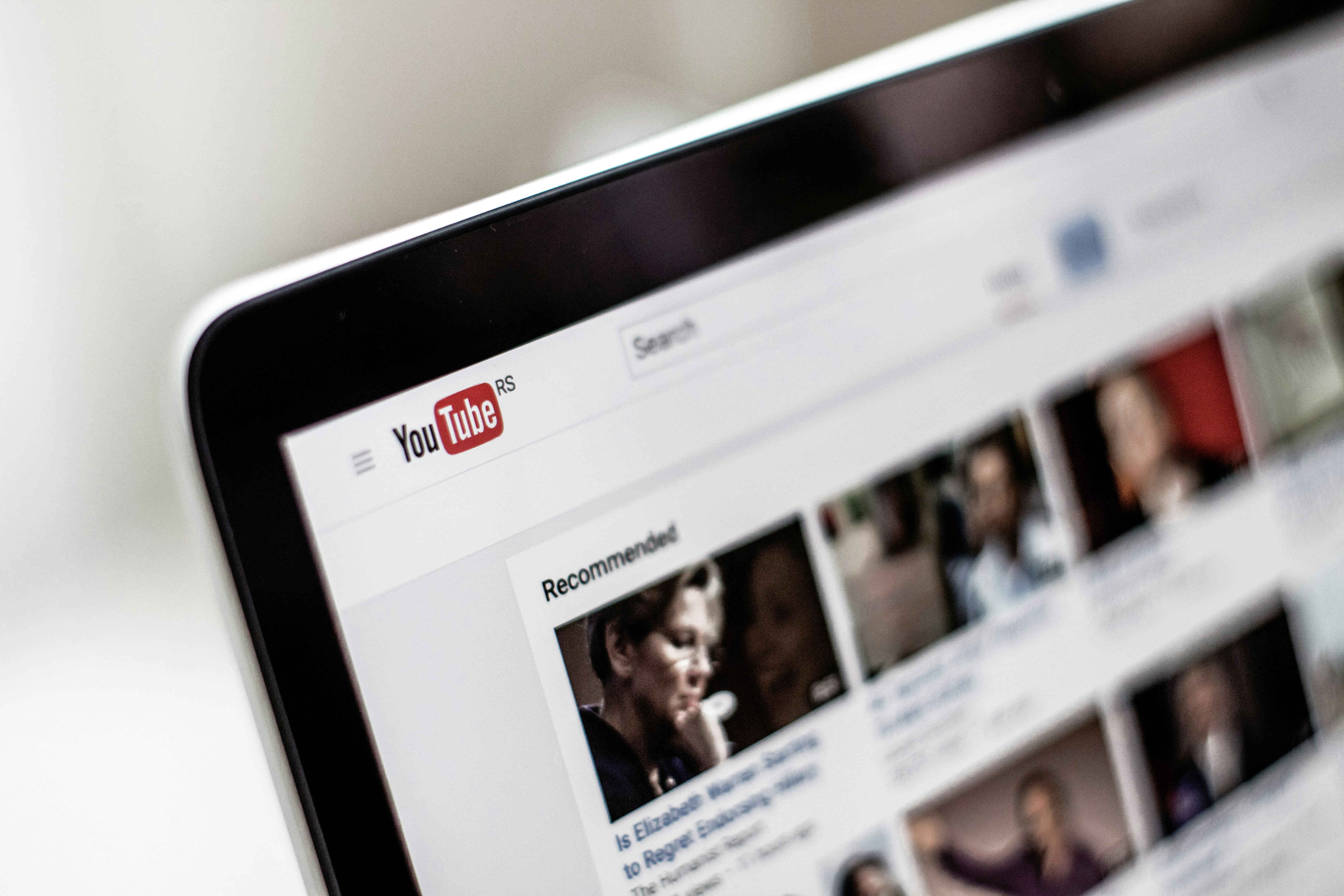
As of 2026, AI tools have become integral to the workflows of content creators, allowing them to streamline processes, enhance creativity, and improve overall productivity. This technological evolution has provided creators with powerful resources that can assist in everything from content ideation to video optimization. The rapid advancements in Artificial Intelligence (AI) have significantly transformed various sectors, and the realm of YouTube creation is no exception.
In an ever-competitive landscape, YouTube creators are faced with the challenge of producing high-quality content that stands out among millions of uploads. Integrating AI into these creative processes is no longer just an advantage; it has become a necessity for those who wish to thrive. AI algorithms can analyze viewer preferences and trends, thereby enabling creators to tailor their content to meet audience demands effectively. This can lead to increased engagement, watch time, and ultimately, channel growth.
Moreover, AI-driven tools enhance the capabilities of creators by automating tedious tasks such as video editing, transcription, and SEO optimization. With less time spent on administrative duties, creators can focus their energy on refining their storytelling techniques and producing compelling narratives. AI can even assist in content planning by suggesting the most relevant topics based on search data and viewer interests.
As we delve deeper into the various AI tools available for YouTube creators, it is essential to recognize that these technologies not only augment creativity but also serve as a competitive advantage. Those who embrace these innovations can significantly boost their chances of success in an increasingly crowded platform. Thus, understanding and utilizing AI tools is imperative for any aspiring or established YouTube creator looking to excel in 2026 and beyond.
AI Tools for Scriptwriting
As YouTube creators continue to strive for engaging and high-quality content, the role of scriptwriting becomes increasingly critical. In 2026, a variety of AI tools specifically designed for scriptwriting have emerged, providing users with innovative features that simplify and enhance the writing process. These tools not only help in generating compelling narratives but also save creators invaluable time.
Among the leading AI scriptwriting tools available today, ChatGPT stands out for its natural language processing capabilities. It allows creators to generate dialogue and narrative content seamlessly by prompting the AI with topics, keywords, or even a rough outline. ChatGPT’s user-friendly interface and adaptive learning enable it to grasp the creator’s unique style, tailoring suggestions to fit individual needs. Furthermore, pricing plans are accessible, often based on usage, making it a cost-effective option for creators of all budget levels.
Another notable contender in the scriptwriting arena is Jasper. Known for its versatility, Jasper can assist with various writing tasks, including video scripts, product descriptions, and marketing content. It offers templates specifically designed for video scripts and supports multiple languages, broadening its appeal to a global user base. Jasper’s subscription-based pricing encourages creators to explore its features while also providing a free trial for those hesitant to commit. Likewise, its ability to integrate with other platforms makes Jasper a valuable asset in the content creation workflow.
Incorporating these AI tools into a scriptwriting workflow can be simple. For instance, a creator might begin with brainstorming ideas on their preferred platform, then input these concepts into ChatGPT to generate an initial script draft. Following this, they can refine the text using Jasper’s editing functionalities, ensuring that the final product resonates with their audience.
AI Tools for Video Editing
In the rapidly evolving landscape of YouTube content creation, AI-powered video editing tools have emerged as game-changers for creators seeking efficiency and enhanced quality. These platforms leverage artificial intelligence to automate mundane editing tasks, thereby allowing creators to focus on the creative aspects of video production. Some of the most notable tools include Descript, Magisto, and Adobe Premiere Pro’s Sensei.
Descript, well-regarded for its transcription capabilities, enables users to edit video as easily as text. This eliminates the usual complexity of traditional video editing, making it accessible for beginners and seasoned creators alike. Its unique features, such as over-dubbing and automatic captioning, streamline workflows by significantly reducing editing time and effort.
On the other hand, Magisto employs advanced algorithms to analyze raw footage and automatically produce polished videos in various styles. By selecting background music and a theme, creators can have their content edited into an engaging video with minimal manual input. This is especially beneficial for busy creators looking to publish content quickly without sacrificing production quality.
To illustrate the use of these tools, consider a workflow using Descript. First, upload the raw footage to the platform. The AI will transcribe the audio, enabling the user to edit the video by simply cutting and pasting text. After finalizing the narrative, additional edits can be made, such as adding music or transitions. Once the video is completed, it can be exported directly to YouTube or shared on other platforms, thus ensuring a seamless process.
In conclusion, AI tools for video editing not only facilitate the editing process, but they also empower creators to enhance the quality of their videos while saving time. As technology continues to advance, the integration of AI in video editing is likely to become a standard practice among YouTube creators, further revolutionizing the content creation landscape.
AI Tools for Thumbnail Design
Thumbnails serve as the first impression for potential viewers on platforms like YouTube. As a crucial element in video marketing, well-designed thumbnails can significantly enhance click-through rates and ultimately impact the overall success of a video. Therefore, utilizing AI tools for thumbnail design can streamline the creative process while ensuring that creators produce visually appealing images that attract viewers.
One notable tool is Canva, which incorporates AI features to help users design eye-catching thumbnails efficiently. With its user-friendly interface and extensive library of templates, Canva enables creators to customize their thumbnails with minimal effort. By offering design suggestions based on user input, the AI element ensures that even those with limited design experience can create professional-looking visuals.
Another robust option is Snappa, which provides AI-driven graphics tools specifically tailored for YouTube creators. Snappa allows users to select dimensions specifically for YouTube thumbnails and includes pre-made templates that cater to various niches. The drag-and-drop functionality further simplifies the design process, making it accessible for creators who may find themselves pressed for time.
Adobe Express is also noteworthy; this tool utilizes AI to suggest color schemes and layouts based on a user’s uploaded images and existing branding materials. This feature can help maintain consistency across a creator’s content, which is vital for brand identity. By integrating these AI tools into their thumbnail design process, YouTube creators can save time, enhance visual appeal, and increase their chances of capturing viewer interest effectively.
When employing these tools, it is essential for creators to focus on clarity and relevance in their thumbnail designs. A thumbnail should accurately reflect the video content while employing bold colors and captivating imagery that stands out in crowded feeds. By blending creativity with technological innovation, AI tools can transform the way creators approach thumbnail creation.
AI Tools for SEO Optimization
In the realm of YouTube content creation, maximizing visibility is crucial for success. AI-driven SEO tools play a vital role in this regard, empowering creators to improve search engine ranking and reach a broader audience. By leveraging these powerful tools, YouTube creators can effectively analyze trends, identify suitable keywords, and optimize video descriptions, thereby enhancing their overall content strategy.
One prominent AI tool for SEO optimization is TubeBuddy. This platform facilitates the discovery of trending topics by analyzing vast amounts of YouTube data, which includes search volume and competition metrics. By using TubeBuddy, creators can pinpoint high-ranking keywords relevant to their niche, enabling them to craft targeted video titles and descriptions. Additionally, the tool offers invaluable A/B testing features, allowing users to compare thumbnail and title effectiveness, ultimately boosting click-through rates.
Another noteworthy tool is VidIQ, which provides in-depth analytics that helps creators understand their audience better. VidIQ offers insights into how videos are performing across various parameters, including engagement and viewer retention. This information is crucial when optimizing content, making it easier for creators to adjust their strategies based on what resonates with their audience.
Case studies illustrate the transformative power of these AI tools. For instance, a creator specializing in travel vlogs implemented VidIQ and saw a 45% increase in organic reach within just a few months. By constantly refining his keywords and video descriptions based on real-time analytics, he managed to outperform competitors who did not utilize such tools. These success stories underline the importance of incorporating AI-driven SEO tools into the YouTube content creation process, enabling creators to effectively compete in an increasingly crowded platform.
Integrating AI Tools: A Workflow Example
To illustrate the integration of various AI tools in the YouTube content creation process, consider a typical project workflow that encompasses the stages of brainstorming, production, and publishing. This example highlights how leveraging AI can significantly enhance efficiency and quality throughout the entire process.
The first stage of any YouTube project is idea generation. In this phase, creators can utilize AI-driven analytics tools to identify trending topics. These tools analyze audience engagement data and social media trends to suggest popular subjects that resonate with viewers. By leveraging a platform like TubeBuddy or VidIQ, creators can save time and focus their creativity on content that is likely to have higher viewer interest.
Once an idea has been selected, the next step involves scriptwriting. AI writing assistants, such as Jasper or Writesonic, can provide substantial support in this area. These tools can generate initial script drafts, offer suggestions for compelling narratives, and even optimize the language to engage the target audience effectively. This ensures that creators can produce high-quality content consistently and optimally.
Moving on to the production stage, AI tools like Descript can be invaluable for video editing. Descript allows creators to edit video content by manipulating the text of the script, streamlining the editing process significantly. Additionally, AI technologies can automate tasks such as audio enhancement and subtitle generation, making it easier for creators to produce polished final videos without getting bogged down by repetitive technical tasks.
Finally, when the video is ready for publishing, AI can continue to play an important role. Tools like TubeBuddy can optimize video titles, descriptions, and tags based on SEO insights to ensure the content is readily discoverable. Furthermore, AI analytics can provide performance data to help creators understand how their videos are received and where improvements can be made for future content.
This workflow example clearly demonstrates how the integration of multiple AI tools significantly enhances the YouTube content creation process, making it more efficient, organized, and effective in engaging audiences.
Maximizing the Use of AI Tools
YouTube creators can significantly enhance their content quality and audience engagement by strategically harnessing the capabilities of various AI tools available in 2026. A key strategy involves integrating multiple AI applications to achieve specific goals, such as video editing, thumbnail creation, and audience analytics. For instance, using AI software for editing can streamline the production process while allowing creators to maintain their unique style, ultimately improving the viewing experience for subscribers.
Moreover, leveraging data analytics is essential in maximizing the impact of AI tools. By evaluating viewer behavior and preferences through AI-driven insights, creators can tailor their content to meet audience expectations. This data-centric approach helps identify which topics resonate most with viewers, guiding creators to prioritize content that is more likely to attract and retain subscribers.
Another effective strategy is to stay informed about the latest developments in AI technology. With the rapid pace of innovation, keeping abreast of new tools and features can provide creators with a competitive edge. Engaging with online forums, attending webinars, and participating in relevant workshops can enhance a creator’s understanding and application of evolving technologies.
Furthermore, testing and iterating on content based on AI feedback is crucial. Creators should not shy away from experimenting with different formats, styles, or lengths based on AI analytics. This iterative process fosters resilience and adaptability, allowing creators to evolve alongside technological advancements while preserving their distinctive voice.
By combining these strategies, YouTube creators can effectively utilize AI tools to elevate their content, ensuring both innovation and authenticity remain at the forefront of their creative endeavors.
Future of AI in Content Creation
The landscape of content creation is evolving rapidly, particularly in the realm of YouTube where AI tools are becoming increasingly instrumental. As we look towards 2026, the integration of advanced artificial intelligence in content production promises to reshape how creators engage with their audiences. One evident trend is the enhancement of video editing processes. We can anticipate AI algorithms that not only automate mundane tasks but also offer sophisticated editing suggestions based on viewer preferences and engagement analytics. This evolution is likely to allow creators to focus more on creative ideation rather than technical execution.
Another area ripe for innovation is scriptwriting. Future AI technology could enable creators to generate compelling narratives dynamically using advanced natural language processing. These AI-driven systems will consider trending topics, audience feedback and psychographics to craft content that resonates with viewers on a deeper level. As machine learning capabilities improve, the adaptability of AI will become a vital asset for YouTube creators striving to remain relevant in an ever-changing digital landscape.
Nevertheless, the future is not without challenges. As AI becomes integral to video creation, ethical considerations, such as copyright issues and the authenticity of content, will require careful navigation. Creators must be vigilant about ensuring that the use of AI does not compromise their unique voices or lead to a homogenization of content. Additionally, there is the risk of over-reliance on these tools, which could stifle creativity if not balanced appropriately.
The future of AI in YouTube content creation is poised for remarkable transformations. By embracing these advancements, creators can enhance their content, optimize engagement, and foster an innovative environment that encourages artistic expression and discovery.
As we navigate through 2026, it’s clear that AI tools have become indispensable for YouTube creators aiming to enhance their content and streamline production processes. The various AI technologies highlighted in this blog post, ranging from automated video editing platforms to advanced analytics tools, are reshaping the way creators approach content generation. By harnessing these innovations, creators not only gain efficiency but also increase their potential for audience engagement and growth.
The importance of integrating AI into your YouTube strategy cannot be overstated. Creators can optimize their workflows, gain insights from data, and unlock new creative possibilities that were previously time-consuming or complex to achieve. It is crucial for creators, whether seasoned or new to the platform, to explore these tools actively and find the right combination that enhances their unique style and goals.
We encourage all readers to experiment with the AI tools mentioned in this article. Take the first step by clicking on the affiliate links provided, as they can lead you to beneficial resources tailored for your needs. Your thoughts and experiences with these tools are invaluable; thus, we invite you to share your insights or feedback in the comment section below. Engaging in conversation not only enriches your own understanding but also fosters a community of like-minded creators passionate about leveraging AI in video creation.
By embracing these advancements, creators are prepared to thrive in an increasingly competitive environment. Join us in this exciting journey and discover how AI can transform your content creation experience.
Related Posts

Stay Informed With the Latest & Most Important News
Previous Post
Next Post










Advertisement